Connect with CLACS
About CLACS
The Center for Latin American and Caribbean Studies (CLACS) serves students, faculty and scholars from across the University of Illinois campus, along with communities across Illinois and the Midwest, by promoting innovative research, specialist teaching, and public awareness of the Latin American and Caribbean region. CLACS is a designated National Resource Center for the 2022-2026 period, supported by the Department of Education under Title VI funding.
CLACS Faculty Highlights
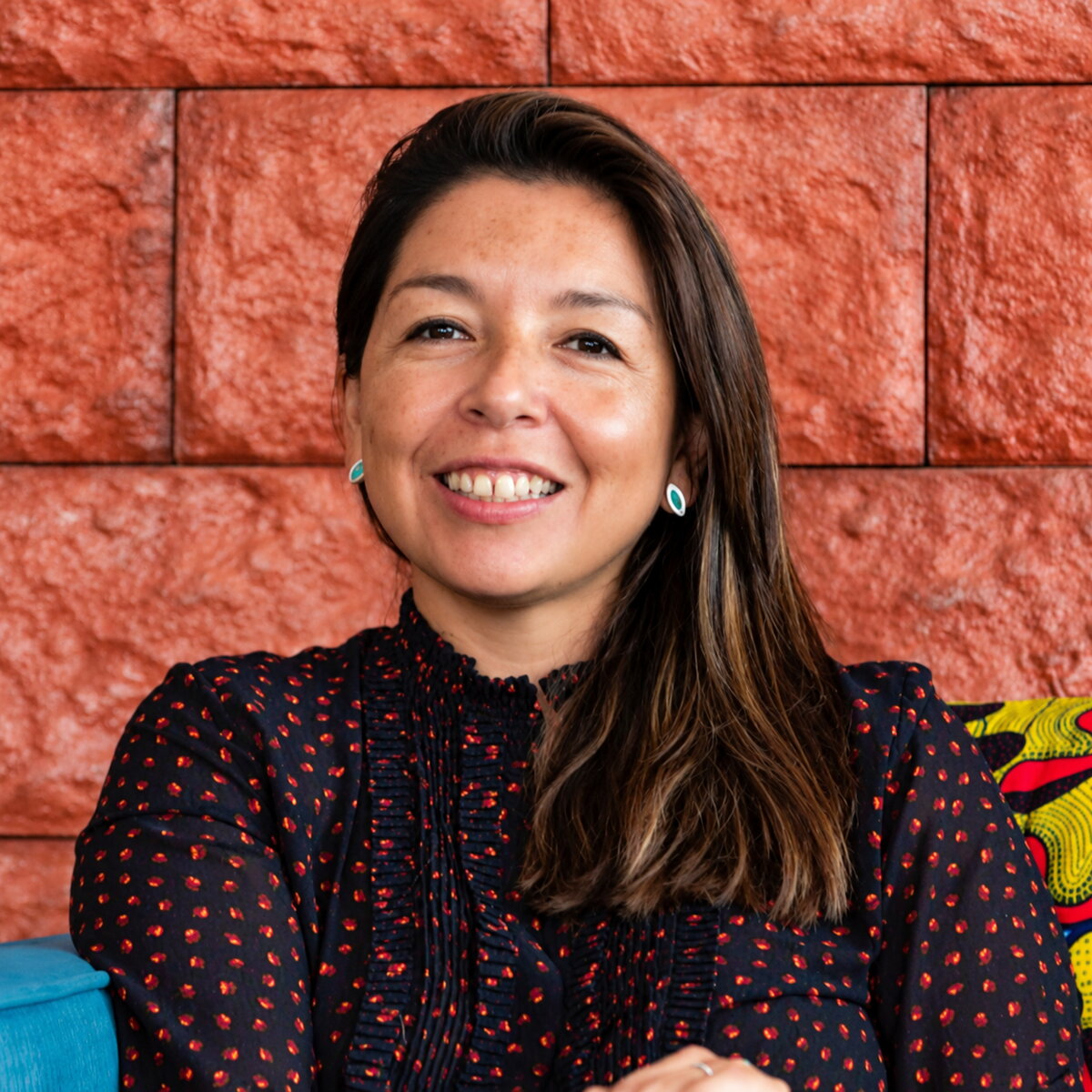
Dr. Sofía Zaragocín receives the College of LAS Helen Corley Pettit Scholarship Award
Congratulations to Dr. Zaragocín on being named one of the College of LAS Helen Corley Pettit Scholar of 2026! This award recognizes the scholarship and teaching of early-career faculty members.
Dr. Sofia Zaragocín, Associate Professor in the Department of Geography and GIS and is the Acting Director of the Center for Latin American & Caribbean Studies (CLACS). She has over 100 articles and chapters in her career and is currently working on a book manuscript. Her most recent published articles include "Methodologies of Intersectional for Disaster Risk Studies" published in Disaster Prevention and Management: An International Journal, "Hemispheric Revanchist Masculinity" in Dialogues in Urban Research, and "Cuerpo-Territorio: Lessons Learnt on a Method of Study Embodied Emotions" in the International Journal of Qualitative Methods.
Please join us in congratulating Dr. Zaragocín on this significant achievement!
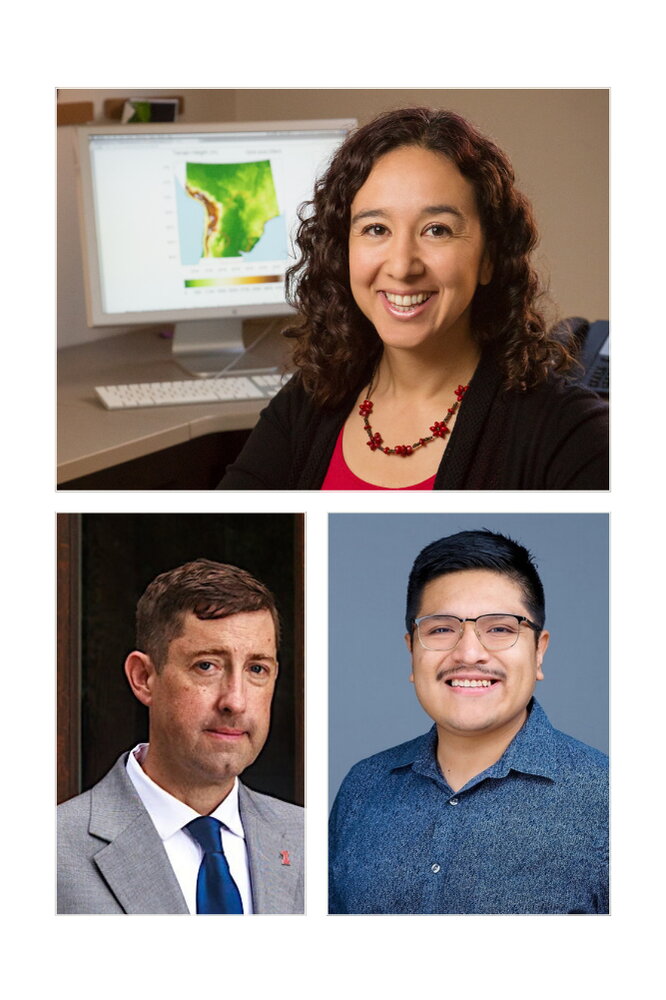
Professors Francina Dominguez, Stephen Nesbitt, and Joseph Trujillo-Falcón Lead Climate Resilience Initiative in Ecuador
UIUC Climate, Meteorology & Atmospheric Sciences Professors Francina Dominguez, Stephen Nesbitt, and Joseph Trujillo-Falcón are leading a new initiative with Ecuadorian partners in the Province of Guayas to strengthen preparedness for extreme rainfall, flooding, and other climate-related risks.
The interdisciplinary project brings together their expertise in hydrometeorology, extreme storms, and weather forecasting, alongside research in risk communication and community preparedness. The initiative will also engage postdoctoral researchers and graduate students from Climate, Meteorology & Atmospheric Sciences and the Department of Communication, with support from CLACS.
Building on more than a decade of Illinois field research and collaborations in the region, the project aims to help communities and decision-makers in Ecuador better anticipate and prepare for high-impact weather.
Congratulations to the entire team on this important collaboration supporting climate preparedness and resilience in Ecuador!r!
Learn more here
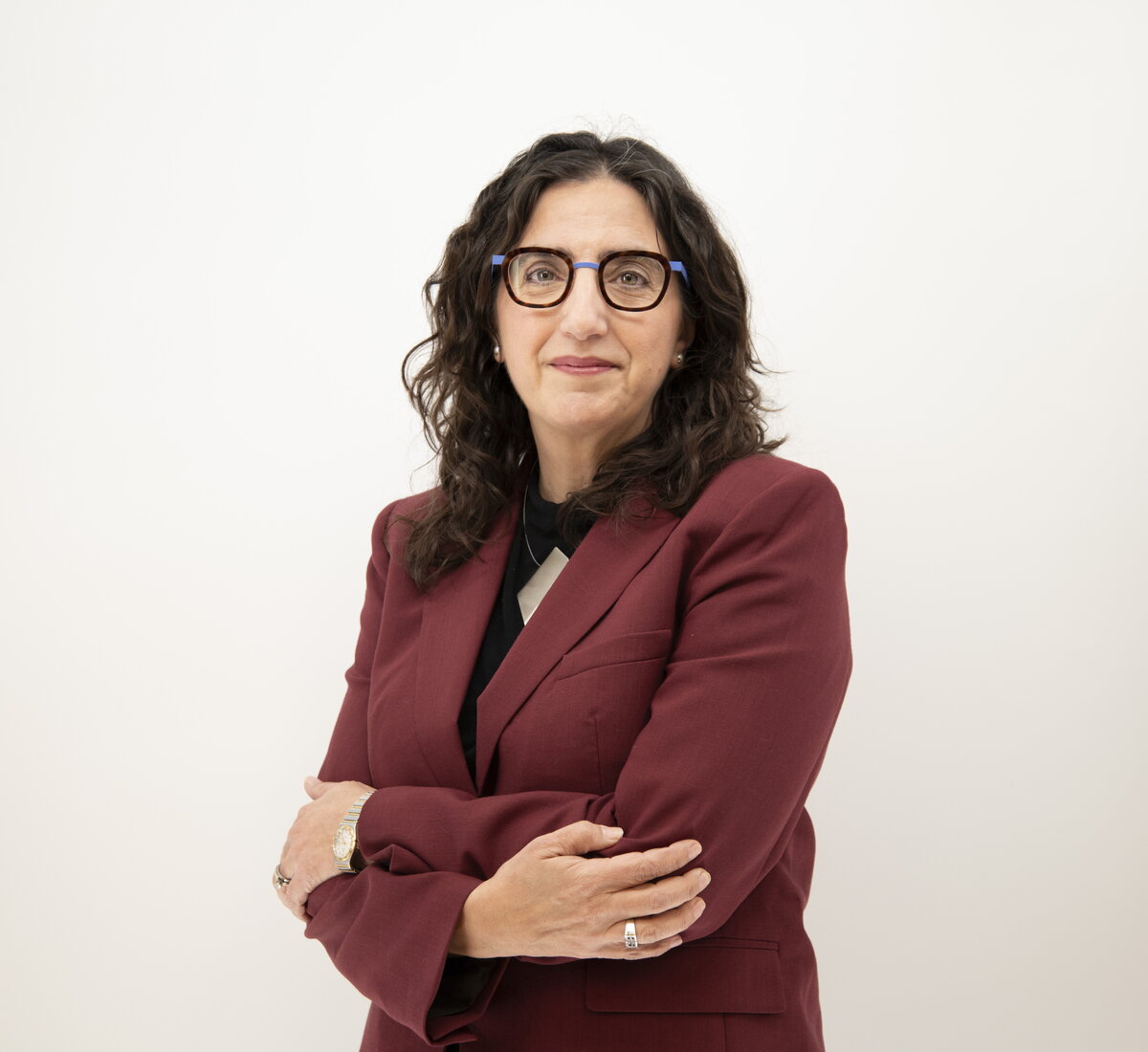
Prof. Gisela Sin Awarded APSA’s Jewell-Loewenberg Prize
We would like to congratulate Gisela Sin, Professor of Political Science at the University of Illinois Urbana-Champaign, CLACS Director, and current Acting Director of the Illinois Global Institute, on receiving the Jewell-Loewenberg Prize from the American Political Science Association’s Legislative Studies Section, along with Valeria Palanza (Pontificia Universidad Catolica de Chile), and Evangeline Reynolds (University of Denver).
Their article, “Line-item Vetoes as a Coordination Mechanism,” was recognized as the Best Article in Comparative Politics published in Legislative Studies Quarterly in 2025.
We are proud to celebrate Gisela and this important achievement. Congratulations on this well-deserved recognition!
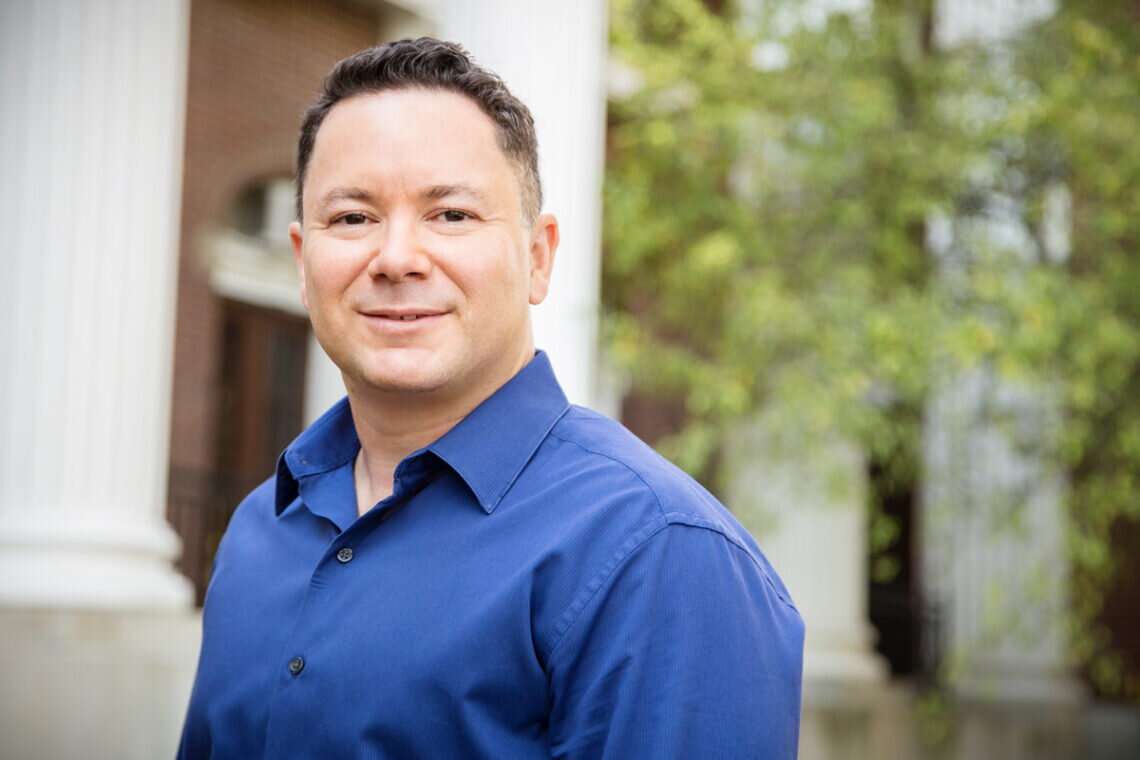
Professor Ramón Soto-Crespo Receives the James M. Benson Professorship
Congratulations to Prof. Ramón Soto-Crespo on being named the James M. Benson Professor in English! This named professorship recognizes his distinguished research and prominence in his fields of expertise.
Professor Soto-Crespo is a professor in the Department of English and an affiliate of the Center for Latin American & Caribbean Studies (CLACS), as well as the Departments of Spanish and Portuguese, Latina/Latino Studies, and Comparative & World Literature, and the Unit for Criticism and Interpretive Theory.
He is the author of several books, including Mainland Passage: The Cultural Anomaly of Puerto Rico (2009), The White Trash Menace and Hemispheric Fiction (2020), and Neobugarrón: Heteroflexibility, Neoliberalism, and Latin/o American Sexual Practice (2023). He also serves as co-editor of the Journal of Modern Literature.
Please join us in congratulating Professor Soto-Crespo on this distinguished honor!
Upcoming Events
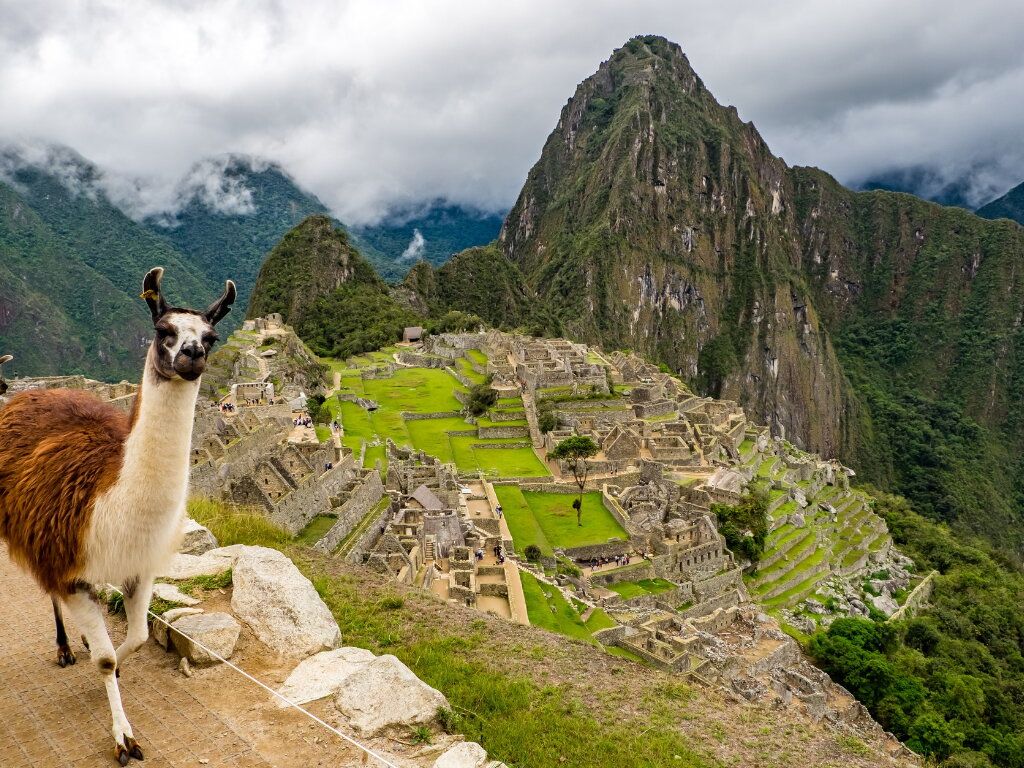
COME LEARN QUECHUA! HAMUYCHIK RUNASIMI YACHARIKUQ!
Quechua is the most widely spoken Indigenous language in the Americas, with 8–9 million speakers across six Andean countries. Learning Quechua offers valuable insight into Indigenous heritage, Andean worldviews, and linguistic structure. It’s especially useful for researchers, educators, and professionals working in the region.
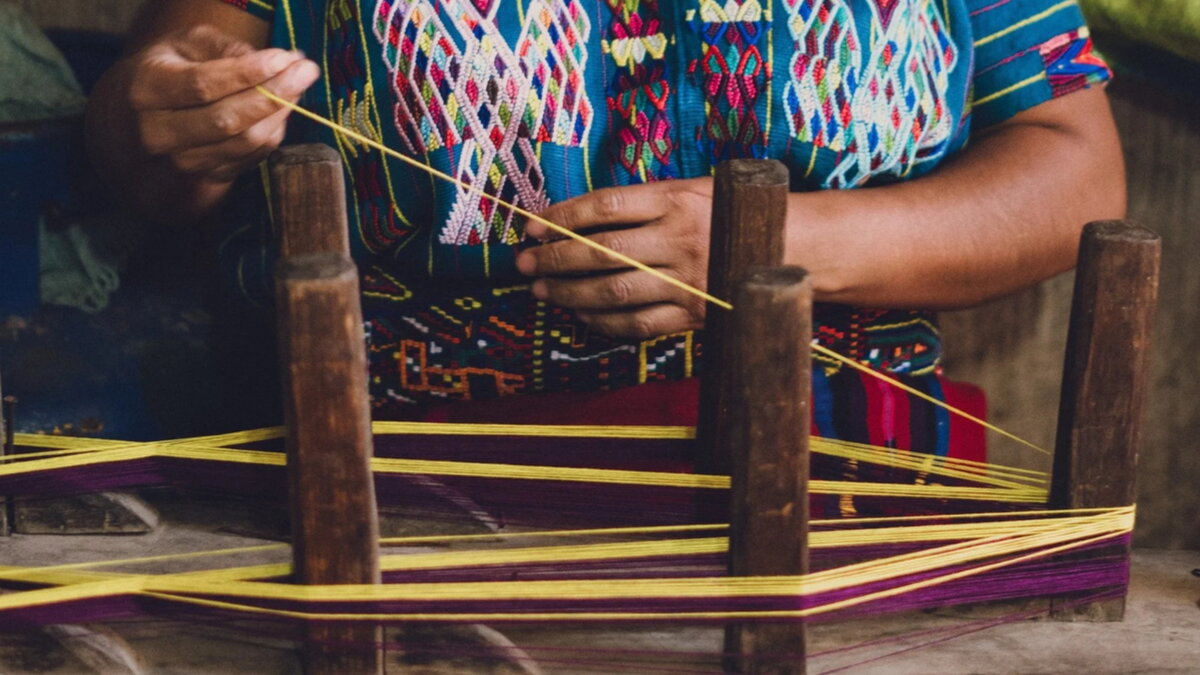
LEARN Q'ANJOB'AL WITH US! TITAN HAKUY Q'ANJOB'AL JETOQ!
Q’anjob’al is a living Maya language spoken in Guatemala and growing communities in the U.S. Studying it opens the door to understanding Mesoamerican Indigenous heritage, Maya worldviews, and cultural practices. It’s especially valuable for educators, researchers, and professionals working with Maya communities.
Q'anjob'al Language and the Community (Spring Last 395)
This course is an introduction to the Mayan language and community of Guatemala known as Q’anjob’al. It is designed to provide students with an overview of the Q’anjob’al speakers and their complex everyday sociocultural interactions.
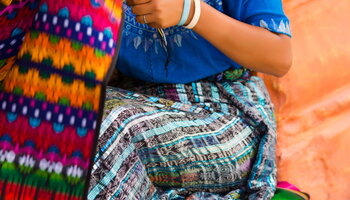
Beginning Q'anjob'al II (LAST 445)
This course continues the development of basic speaking, listening, reading, and writing skills, with an emphasis on everyday communication and cultural context within Q’anjob’al–speaking communities.
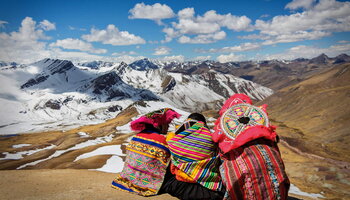
Beginner Quechua II (QUEC 411)
Continuation of intensive course for beginner level Quechua. Expansion on developing basic listening, speaking, reading and writing skills in Quechua. Emphasis on production and comprehension skills. 3 undergraduate hours. 4 graduate hours
Que Pasa in Latin America? (LAST 170)
Introduction to Latin America offers an interdisciplinary introduction to the ways of life of Latin American peoples, their origins, historical legacies, and current cultural expressions.
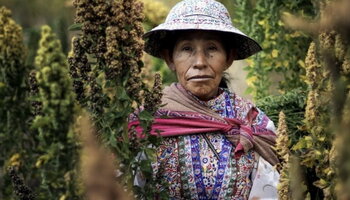
Life in the Andes (LAST 210, CRN 72623)
An overview of contemporary Andean culture, as practiced by the people in Peru, Bolivia, and Ecuador.
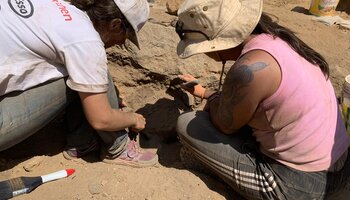
Archaeology Field School in Peru (LAST 395)
This course is an archaeological field school where students will have the opportunity to engage in innovative original research at the archaeological site of Cerro Blanco, a Chancay Administrative Center located in central Peru.
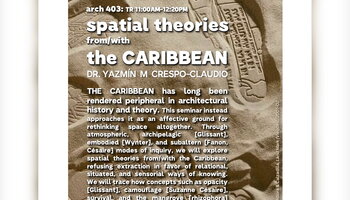
Spatial theories from/with the Caribbean (ARCH 403)
THE CARIBBEAN has long been rendered peripheral in architectural history and theory. This seminar instead approaches it as an affective ground for rethinking space altogether.
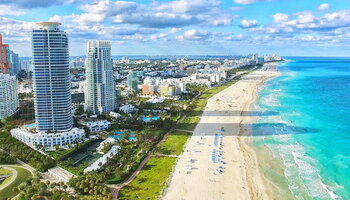
Multilingual Miami (SPAN 199 CHP)
The course provides an experiential introduction to sociolinguistics, focusing on the relationship between language, power, and multilingualism in Miami's diverse cultural and linguistic environment.